Introduction: A Clear Choice With Big Impact
Glass defines the character of bifold doors. It shapes the flow of light, the insulation of the home, and even the overall energy bills.
When choosing between double glazed and single glazed bi-fold doors, homeowners are making more than a design decision — they are deciding on comfort, performance, and value for years to come.
At Eris Home Products, we know glazing is more than a technical detail; it’s the lens through which you’ll see and experience your living space every day.
The Basics of Single Glazing
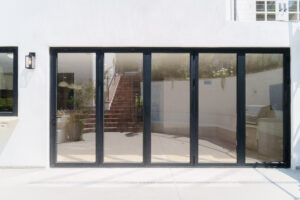
Single glazed bifold doors consist of a single pane of glass in each panel.
- Advantages:
- Lower initial cost.
- Slimmer frames can sometimes be used.
- Lighter panels make installation easier.
- Limitations:
- Poor insulation against heat or cold.
- Less effective at soundproofing.
- Condensation more likely to form in cold weather.
Single glazing can suit budget projects or spaces where insulation isn’t critical, but in most modern homes, its drawbacks outweigh the savings.
The Benefits of Double Glazing
Double glazed bi-fold doors use two panes of glass separated by a sealed air or gas-filled gap. This small difference creates a major performance upgrade.
- Thermal Insulation: The air gap reduces heat transfer, keeping homes warmer in winter and cooler in summer.
- Soundproofing: Double glazing blocks more outside noise, creating a peaceful interior.
- Condensation Control: Better at preventing moisture buildup inside.
- Energy Efficiency: Lower reliance on heating and cooling reduces utility bills.
Choosing double glazing is like putting your doors in a tailored suit — they fit better, perform better, and feel more complete.
When evaluating glazing comparison in bifold doors, energy efficiency often tips the balance.
- Single Glazing: U-values are higher, meaning more heat escapes. Suitable only in mild climates.
- Double Glazing: Lower U-values reflect better insulation. Can meet or exceed building regulations in most regions.
Pairing double glazing with Low-E coatings or argon-filled gaps enhances performance even further, delivering long-term savings that offset the higher purchase price.
Soundproofing Differences
A key overlooked factor is noise control.
- Single Glazing: Minimal noise reduction. Outdoor traffic or neighborhood sounds easily pass through.
- Double Glazing: Adds a buffer that absorbs and reduces sound waves, ideal for urban or suburban environments.
For anyone seeking tranquility, double glazing is the clear winner.
Safety and Security
Glass isn’t only about comfort; it’s also about security.
- Single Glazing: Breaks more easily, offering less resistance to forced entry.
- Double Glazing: Uses toughened or laminated glass, which increases resistance and enhances safety.
Combined with secure locking systems, double glazing makes bifold doors part of the home’s defense, not a vulnerability.
Cost Considerations
Price is often the first factor homeowners notice.
- Single Glazing: Cheaper upfront, but may lead to higher energy bills and more frequent replacements.
- Double Glazing: More expensive initially but provides lower lifetime costs due to energy savings and reduced maintenance.
It’s the difference between a quick purchase and a smart investment.
Aesthetic Differences
Both single and double glazed systems can look sleek and modern, but performance often influences appearance indirectly.
- Single Glazed: Frames may be slimmer, but condensation can cloud the view over time.
- Double Glazed: Slightly thicker frames, but views remain clear and uninterrupted, especially with modern slim-line designs.
With Eris Home Products, slim aluminum profiles ensure double glazed doors remain as elegant as their single glazed counterparts.
When to Choose Single vs Double Glazing
- Single Glazing Works Best:
- In seasonal spaces like garden rooms or covered patios.
- For projects with tight budgets where efficiency isn’t a priority.
- Double Glazing Works Best:
- In main living spaces, kitchens, or bedrooms.
- In climates with significant seasonal changes.
- For homes that prioritize energy efficiency, comfort, and quiet.
Matching glazing type to the function of the room ensures your doors perform exactly as you need them to.
Conclusion: Seeing the Difference Clearly
When it comes to double glazed vs single glazed bi-fold doors, the differences are clear. Single glazing offers affordability and simplicity but sacrifices insulation, soundproofing, and long-term value.
Double glazing, on the other hand, delivers superior comfort, efficiency, and security, making it the preferred choice for most homeowners.
At Eris Home Products, we craft bifold systems that pair advanced glazing with durable aluminum frames, ensuring you enjoy beauty, strength, and efficiency in every season.
Choose the clarity and comfort of double glazed bi-fold doors from Eris Home Products — where every view is framed with performance and style.
FAQ
1. What is the main difference between double glazed and single glazed bi-fold doors?
Single glazed bi-fold doors use one pane of glass, while double glazed doors consist of two panes separated by an insulating layer. This added layer improves energy efficiency, reduces noise, and enhances security.
2. Are double glazed bi-fold doors more energy-efficient?
Yes. Double glazing provides better insulation, helping to maintain indoor temperature and reduce heat loss. This often results in lower energy bills and a more comfortable living environment.
3. Do double glazed bi-fold doors offer better noise reduction?
Absolutely. The extra glass layer and insulating gap significantly reduce outside noise, making double glazed doors ideal for homes near busy roads or noisy neighborhoods.
4. Which option is more cost-effective—single or double glazing?
Single glazed bi-fold doors usually cost less upfront. However, double glazed doors provide long-term savings through improved energy efficiency, better durability, and reduced maintenance, making them a more cost-effective choice over time.