Due to fire, our power and phone lines are down. Please email us and we will get back to you as soon as we can. If you have an emergency you can call us at our temporary line, 818-438-6840
Why a Glass Wall is a Primary Strength in the Modern Perimeter
In elite residential design, there is a persistent myth that transparency equals vulnerability. The Security Realist, however, recognizes that true safety is found in superior engineering rather than opaque barriers.
For them, an expansive Eris glass system is not a compromise—it is an intelligently fortified element of the home’s envelope.
Here, luxury is defined by the certainty that comes when the most beautiful feature of your estate is also one of its most secure.
The Engineering of the Perimeter
For the Security Realist, a home’s entrance is a sophisticated mechanical threshold.
They require industrial-grade protection integrated into a gallery-grade aesthetic, moving beyond standard residential solutions.
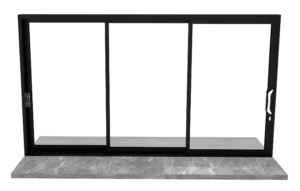
While outdated guidance often assumes a folding glass wall is vulnerable at the hinges, an Eris bifold system is engineered with a “Total Lock” philosophy.
By mechanically unifying every panel with the reinforced frame, we create a singular, formidable barrier that rivals the integrity of traditional fortified entries.
Fact vs. Fiction: Are Bifold Doors a Security Risk?
When evaluating glass door safety, homeowners often encounter data based on low-quality vinyl or thin-gauge aluminum systems. The Security Realist looks to material science for the truth.
The Fiction: “Large glass spans are the most fragile point of entry.”
The Reality: Eris systems utilize double-tempered safety glazing enhanced with integrated safety films, far exceeding standard residential glass requirements.
This glass is heat-treated to be up to five times stronger than conventional panels and is engineered to meet or exceed modern safety glazing standards.
When paired with our 12-gauge steel or 75-Series aluminum, the glass becomes a high-tension shield designed to provide a robust defense against forced entry.
The Multi-Point Locking System: A Mechanical Masterpiece
If the glass is the shield, the locking mechanism is the spine. The Security Realist prioritizes the number of engagement points to ensure structural continuity.
While standard doors rely on a single latch, an Eris bifold door utilizes a hidden stainless steel multi-point locking system.
Depending on the panel height, these 6-point to 8-point systems engage simultaneously at the top, bottom, and sides of the frame.
The Sensory Bridge: There is a distinct, dampened sound when you engage an Eris handle—the heavy, synchronized slide of stainless-steel bolts into reinforced strikes.
In that moment, the expansive glass wall ceases to be a series of panels and becomes an immovable monolith.
The Cylinder Lock: Precision Under Pressure
At the core of our security is the Cylinder Lock with Pin-and-Tumbler technology. These professional-grade cylinders run through the heart of the lock and deep into the door’s core, requiring a perfectly matched key to align the internal pins.
To further elevate the perimeter, many of our clients specify Twinpoint Locks, which utilize a central handle to deadbolt the top and bottom of the doors simultaneously.
This provides a level of resistance to prying that conventional sliding systems cannot match.
The Hidden Distinction: Bottom-Hung Stability
A critical question for security consultants is whether a door can be leveraged or displaced from its tracks. The Security Realist looks for the bottom-hung system.
By anchoring the weight of the glass on a heavy-duty bottom track, Eris doors are engineered to resist lifting or forced removal.
The stainless-steel rollers are concealed within the track itself, protected from external tampering.
This design ensures the door remains fluid for the homeowner while remaining a permanent, anchored fixture against interference.
How Do Eris Bifold Doors Improve Security?
A technical comparison of Eris standards against conventional entry systems.
Feature
Conventional Glass Doors
Eris High-Security Bifolds
Locking Points
1 or 2 (Standard Latch)
6 to 8-Point Multi-Point System
Glass Performance
Standard Plate Glass
Double-Tempered / Safety Glazing
Frame Integrity
Standard Grade Aluminum
12-Gauge Steel / 75-Series Aluminum
Track Security
Top-hung / Exposed Rollers
Bottom-hung / Concealed Rollers
Validation
Basic Residential Grade
Meets/Exceeds Safety Glazing Standards
Situational Awareness: The Transparency Advantage
There is a final, strategic security benefit to the bifold lifestyle: Visibility. The Security Realist understands that a home with clear, expansive views offers superior situational awareness.
By eliminating the blind spots created by solid walls, you can monitor the entirety of your estate—from the courtyard to the perimeter—with ease. When integrated with modern sensors and smart-home lighting, your Eris glass walls become an active, transparent component of your home’s total security ecosystem.
The Eris Verdict
To the Security Realist, luxury is the ability to live in a house of glass without ever feeling exposed.
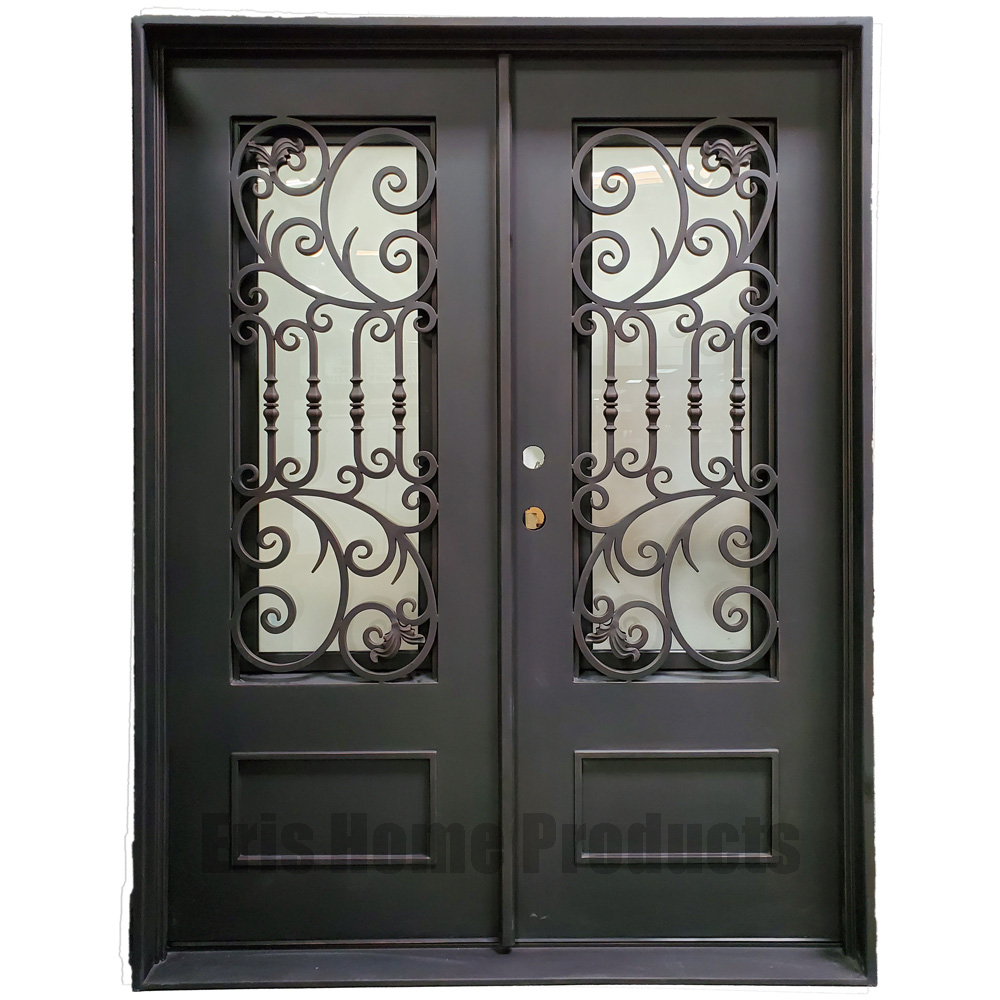
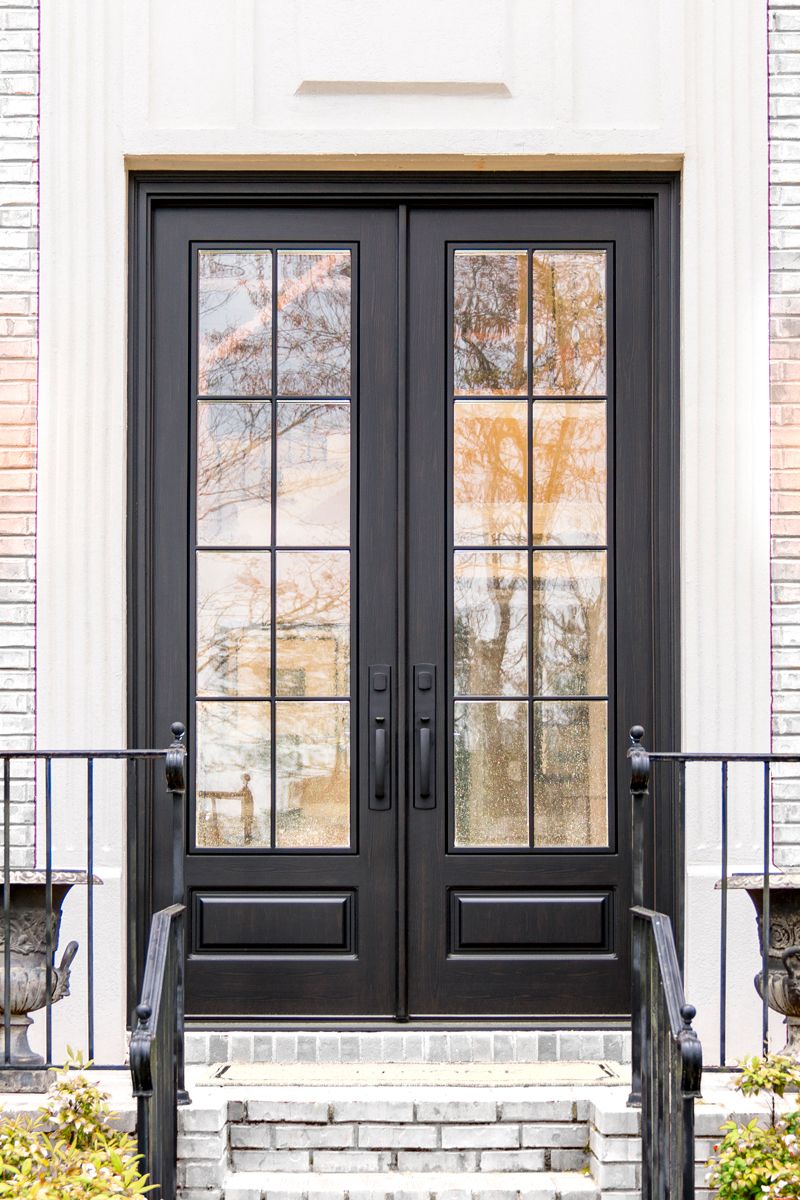
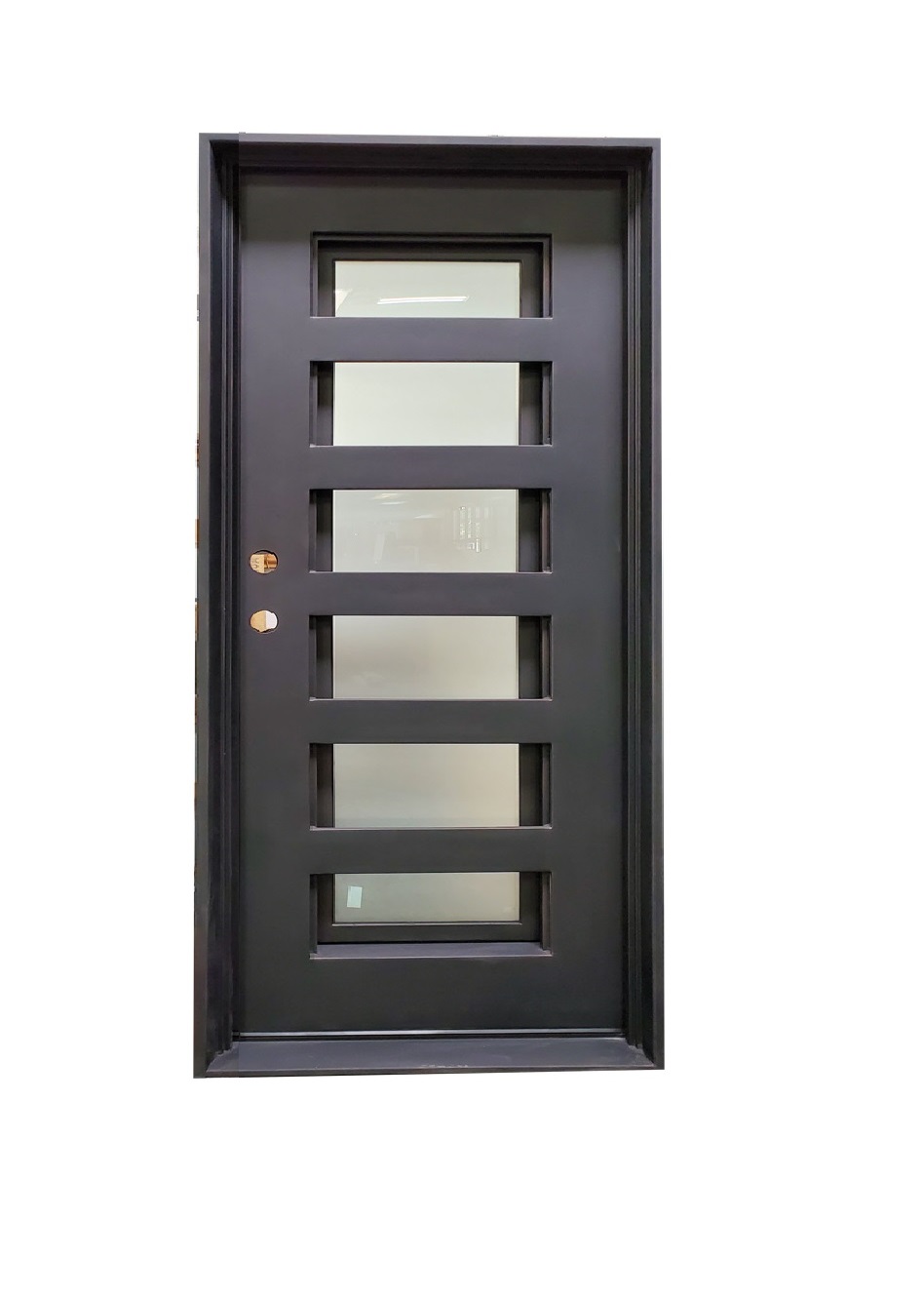
An Eris bifold or iron entryway represents a commitment to a lifestyle where architectural beauty and mechanical brawn are unified.
It is the confidence to enjoy the “infinite vastness” of your view, knowing your environment is designed in accordance with high-performance building standards.
1. Are bifold glass doors secure for modern homes?
Yes, high-quality bifold glass doors are designed with advanced security features like multi-point locking systems, reinforced frames, and safety glazing, making them highly secure for residential use.
2. What makes bifold doors stronger than standard glass doors?
Bifold doors use double-tempered safety glass and durable materials such as steel or high-grade aluminum, making them significantly stronger and more resistant to impact than standard glass doors.
3. How does a multi-point locking system improve security?
A multi-point locking system secures the door at multiple points (top, bottom, and sides), creating a stronger seal and making it much harder for intruders to force entry.
4. Can bifold doors be removed or lifted from their tracks?
No, advanced bifold systems use bottom-hung designs with concealed rollers, preventing the doors from being lifted or tampered with from the outside.
5. Do glass walls reduce home security?
No, modern engineered glass walls actually enhance security. They provide strong materials, advanced locking systems, and improved visibility, allowing better monitoring of surroundings.