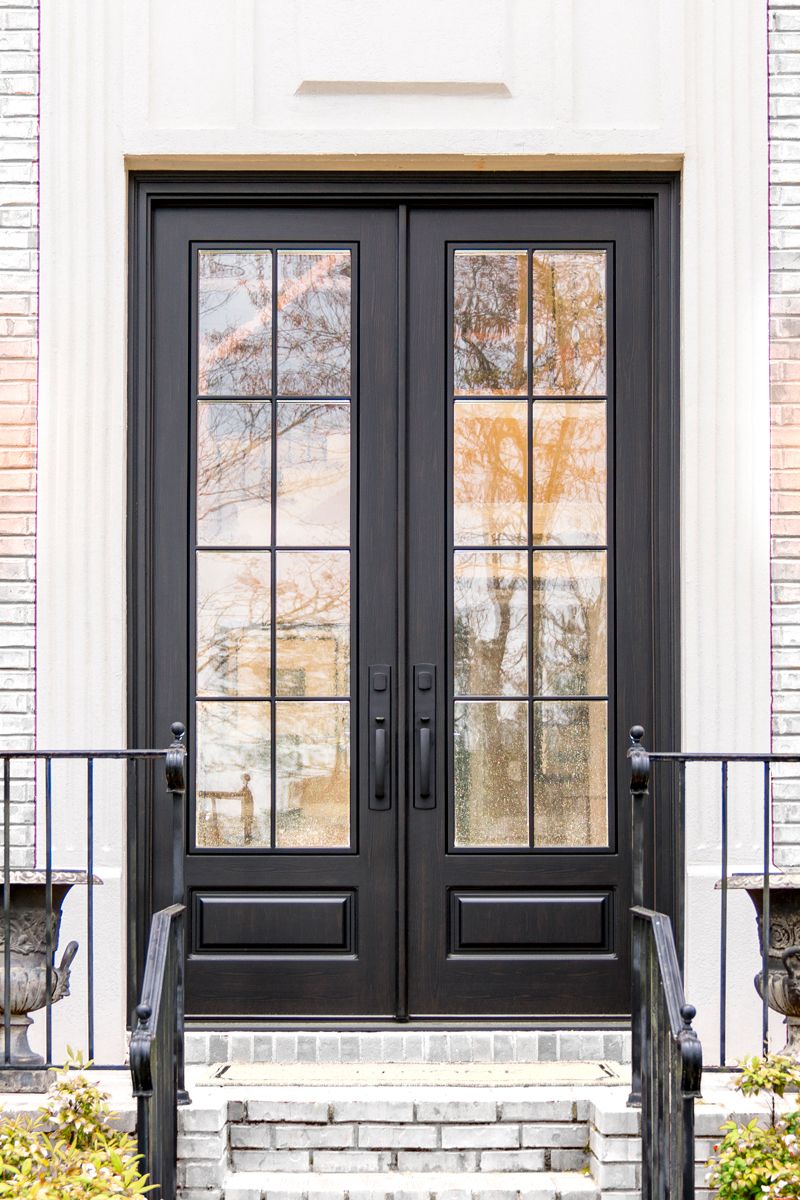
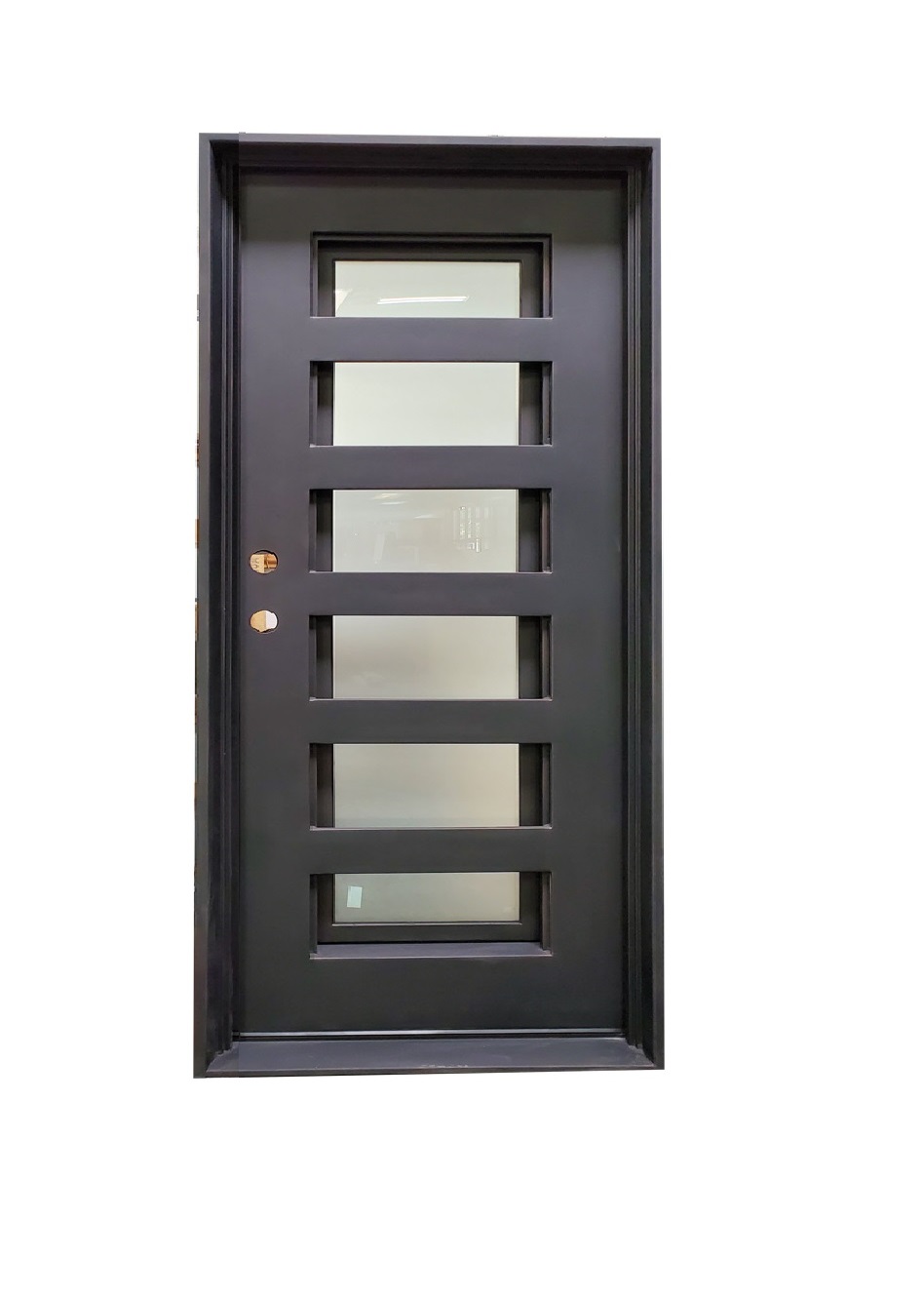
If you’ve ever stood in your backyard on a warm evening and wished your living room could just… open up, you’re not alone. That’s usually the moment homeowners start looking into bifold patio doors. I get asked about them almost every week, and for good reason — they’re one of the most dramatic ways to change how a home feels without touching a single wall.
In this article, I want to walk you through what bifold patio doors actually are, where they work best, and the questions worth asking before deciding if they’re the right fit for your home.
What Are Bifold Patio Doors?
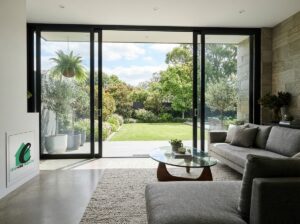
Bifold patio doors are made up of multiple panels that fold and stack neatly to one side (or both sides, depending on the configuration), rather than sliding along a single track like a traditional sliding door. When fully open, they can create one of the widest, most unobstructed openings available for a residential space — which is exactly why they’re often used to connect an indoor living area with a patio, deck, or backyard.
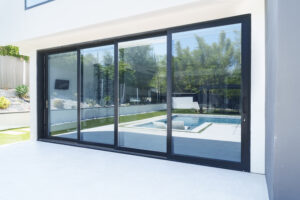
Unlike a standard sliding patio door, where usually only half the opening is usable at a time, bifold doors can open the entire width of the space. That’s a meaningful difference if your goal is a true indoor-outdoor connection rather than just a wider window. If you want to see the range of styles and sizes available, our Bifold and Patio Doors page is a good place to start.
Why Homeowners Are Drawn to Them
Most people don’t come to us saying “I want bifold doors.” They come to us saying “I want more light in this room” or “I want this space to feel bigger when we’re entertaining.” Bifold patio doors tend to solve both of those problems at once.
- Natural light: More glass surface area generally means more daylight reaching into the room, especially in spaces that feel closed off or dim.
- Indoor-outdoor living: For homes with a patio, courtyard, or backyard that doesn’t get used enough, opening that wall changes how the space actually functions day to day.
- Entertaining: When you’re hosting, having the option to fully open a wall between kitchen/living areas and outdoor space removes the bottleneck of a single doorway.
- Layout flexibility: Panel count and stacking direction can typically be customized, which gives more flexibility than a fixed sliding track. Our custom bifold door options are built around exactly that.
Things to Think About Before You Choose
Bifold patio doors aren’t automatically the right choice for every home, and I’d rather tell you that upfront than have you find out after the fact. Here’s what I’d encourage you to think through:
Available Wall Space
Because the panels stack to the side when open, you’ll want enough adjacent wall space (inside or outside, depending on configuration) to accommodate the stacked panels without blocking a walkway or piece of furniture.
How You Actually Use the Space
If you rarely open your current patio door more than a crack, ask yourself honestly whether a full-width opening is something you’ll use — or whether a different door style, like a sliding door, might match your habits better.
Not all bifold systems are built the same. It’s worth asking about glass performance ratings, how the locking hardware works, and what kind of warranty coverage is included, so you know exactly what you’re investing in before you commit.
A Note for Thousand Oaks Area Homes
A lot of homes in and around Thousand Oaks were designed with a strong connection to outdoor living in mind — patios, courtyards, and backyard spaces that are usable most of the year thanks to the local climate. That makes bifold patio doors an especially relevant option here, since the goal is often less about “adding a door” and more about actually using the outdoor space that’s already there.
Every home’s layout is different, though, which is why it’s worth having a real conversation about your specific space before deciding on a door style.
Common Questions About Bifold Patio Doors
How many panels do bifold patio doors usually have?
Panel count varies based on the width of the opening and the homeowner’s preference, and configurations can typically be customized to fit the specific space.
Are bifold doors the same as sliding doors?
No. Sliding doors move along a horizontal track and usually leave part of the opening covered by the fixed panel. Bifold doors fold and stack, allowing the majority (or all) of the opening to become usable space.
Do bifold patio doors work for smaller homes?
They can, but the layout matters. Smaller spaces may benefit more from a two- or three-panel configuration rather than a wider system, depending on where the panels need to stack.
What should I bring to a consultation?
Photos of your current door and the wall space it’s in, rough measurements if you have them, and an idea of how you want the finished space to feel or function.
Thinking About Bifold Patio Doors for Your Home?
Every home is a little different, and the right door depends on your layout, your goals, and how you actually plan to use the space. If you’re weighing your options, our team at Eris Home Products is happy to talk through what might work best for your project.
📞 Call us at 805-375-6333, browse our Bifold and Patio Doors collection, or request a free quote to get started.
READ MORE:
French Doors vs. Single Doors: Which One Actually Fits Your Home?
Custom Bifold Doors: Why “Standard Size” Doesn’t Always Cut It