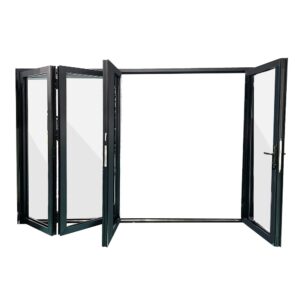
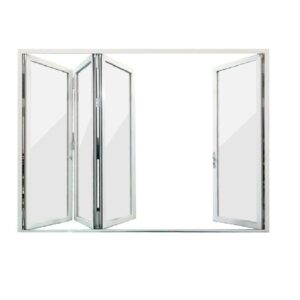
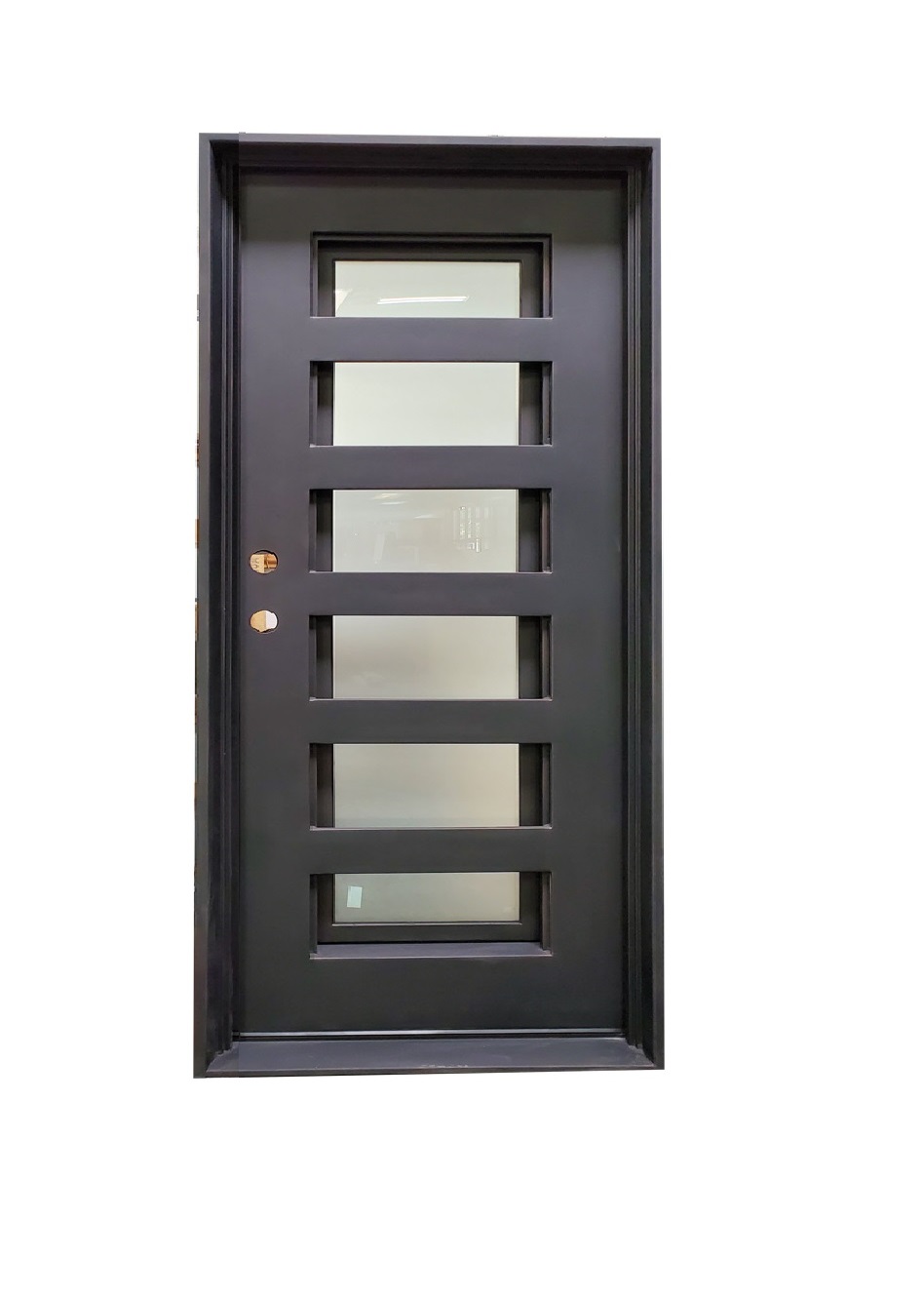
Homeowners ask me some version of the same question almost every week: “Aren’t all bifold doors basically the same?” The honest answer is no — the frame construction underneath the glass matters just as much as how the panels fold. Our 75 series aluminum bifold doors are built around a specific profile and thermal break system, and understanding what that actually means can save you from comparing products that aren’t really comparable.
What “75 Series” Actually Refers To
The number refers to the depth of the aluminum profile used in the frame, measured in millimeters. A deeper profile generally allows for a more reinforced structure across wider panel spans, which matters more than people expect once you’re talking about openings that stretch 10, 15, or 20 feet across a patio wall. You can browse the full range on our Bifold and Patio Doors page.
Thermal Break Technology, Explained Simply
Aluminum is a great structural material, but on its own it conducts heat and cold efficiently — not something you want in a frame that spans your exterior wall. A thermal break addresses this by inserting a reinforced polyamide bar between the inner and outer sections of the frame, physically interrupting that conductive path.
In plain terms: the aluminum touching your interior room and the aluminum exposed to outside temperatures aren’t directly connected anymore. That helps the frame itself stay closer to room temperature instead of acting like a heat sink pulling warmth out of your home in winter or bringing heat in during summer.
Glass and Frame Specifications
Our bifold and window systems use a 2-inch frame width paired with 5mm tempered glass that includes a safety film layer. The tempering process makes the glass significantly more resistant to breakage than standard annealed glass, and if it ever does break, tempered glass fractures into small, less hazardous pieces rather than long shards — the safety film adds an additional layer of containment on top of that.
Why Frame Width Matters
A slimmer frame profile isn’t just an aesthetic preference — less visible frame per panel generally means more visible glass, which translates to a clearer, less obstructed view when the doors are closed and more usable light throughout the day.
Why Frame Construction Matters in Thousand Oaks
Thousand Oaks sees real seasonal temperature swings — hot, dry summers and cool winter mornings — which means the wall separating your indoor and outdoor space is doing real thermal work throughout the year, not just sitting there looking good. A frame system built with a thermal break isn’t a luxury upgrade in that context; it’s simply matched to the climate the door actually has to perform in.
Common Questions
Is a thermal break necessary in a mild climate?
It helps in any climate with meaningful day-to-night or seasonal temperature swings, which describes most of Southern California’s inland valleys, Thousand Oaks included.
Does tempered glass look different from regular glass?
No — visually it’s indistinguishable from standard glass. The difference is entirely in how it behaves structurally and how it fractures if broken.
Can the 75 series profile handle very wide openings?
Panel width and total opening size vary by configuration — this is exactly the kind of detail worth confirming for your specific opening before ordering.
Where can I see actual pricing and sizes?
Current stock configurations, sizes, and pricing are listed on our Shop Bifold Doors page.
Have Questions About Frame Construction Before You Buy?
Understanding what’s actually inside the frame helps you compare products accurately instead of guessing. Eris Home Products, located at 2300 Corporate Center Dr, Thousand Oaks, CA 91320, is happy to walk through the specifics for your project.
Call 805-375-6333, browse our Bifold and Patio Doors collection, request a free quote, or find us on Google Maps.